


Samsung Galaxy S26 vs iPhone 17: Which Is Better?
I break down the Samsung Galaxy S26 and iPhone 17 head-to-head — covering performance, cameras, battery, display, and exactly which phone is the smarter buy for you.

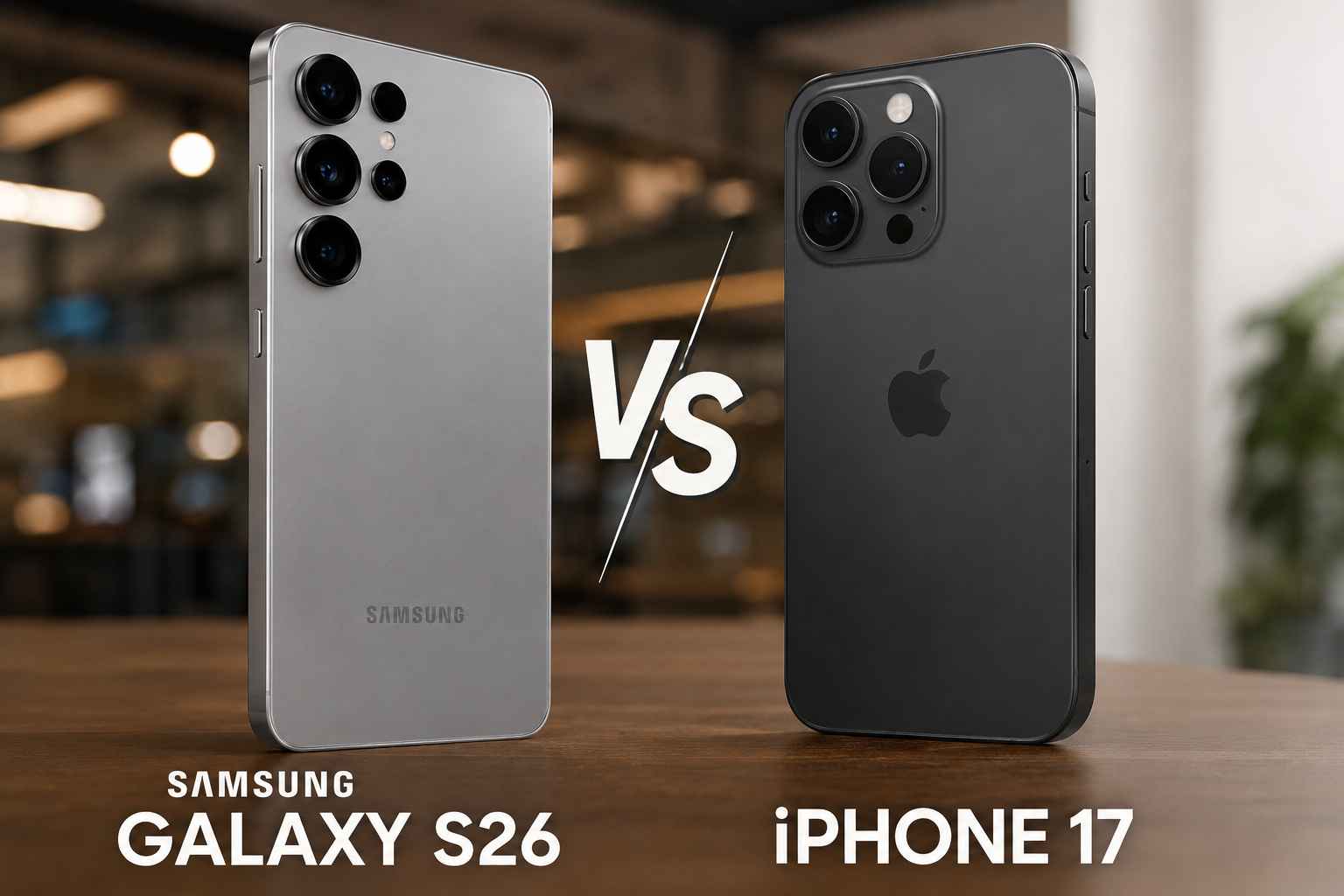
Two of the most anticipated smartphones of 2026 are finally here — and they’re going head to head at nearly the same price point. The Samsung Galaxy S26 vs iPhone 17 debate is the Android vs iOS debate distilled to its sharpest edge: both are 6.3-inch flagship-class phones, both have OLED displays with 120Hz refresh rates, and both are made by the two companies that define what a premium smartphone is in 2026.
But the differences matter — and they’re the kind that should change your decision. The iPhone 17 costs $100 less than the Galaxy S26 at launch. The Galaxy S26 has a telephoto camera; the iPhone 17 does not. The iPhone 17 charges faster — both wired and wirelessly. And the two phones run completely different software ecosystems that suit completely different users.
The short answer: buy the Samsung Galaxy S26 if you’re an Android user who wants the most versatile camera system and Samsung’s AI ecosystem. Buy the iPhone 17 if you’re already in the Apple ecosystem or want a premium smartphone that costs $100 less at the same display size and general capability level. The full answer is below.
Quick Verdict
| Category | Winner |
|---|---|
| Overall experience | Tie (ecosystem-dependent) |
| Performance | Tie (platform-dependent) |
| Camera system | Samsung Galaxy S26 |
| Battery capacity | Samsung Galaxy S26 |
| Charging speed | iPhone 17 |
| Display quality | Tie |
| Water resistance | iPhone 17 |
| Software ecosystem | Personal choice |
| Software longevity | Samsung Galaxy S26 |
| Value for money | iPhone 17 |
| Repairability | iPhone 17 |
Design & Build Quality
Samsung Galaxy S26
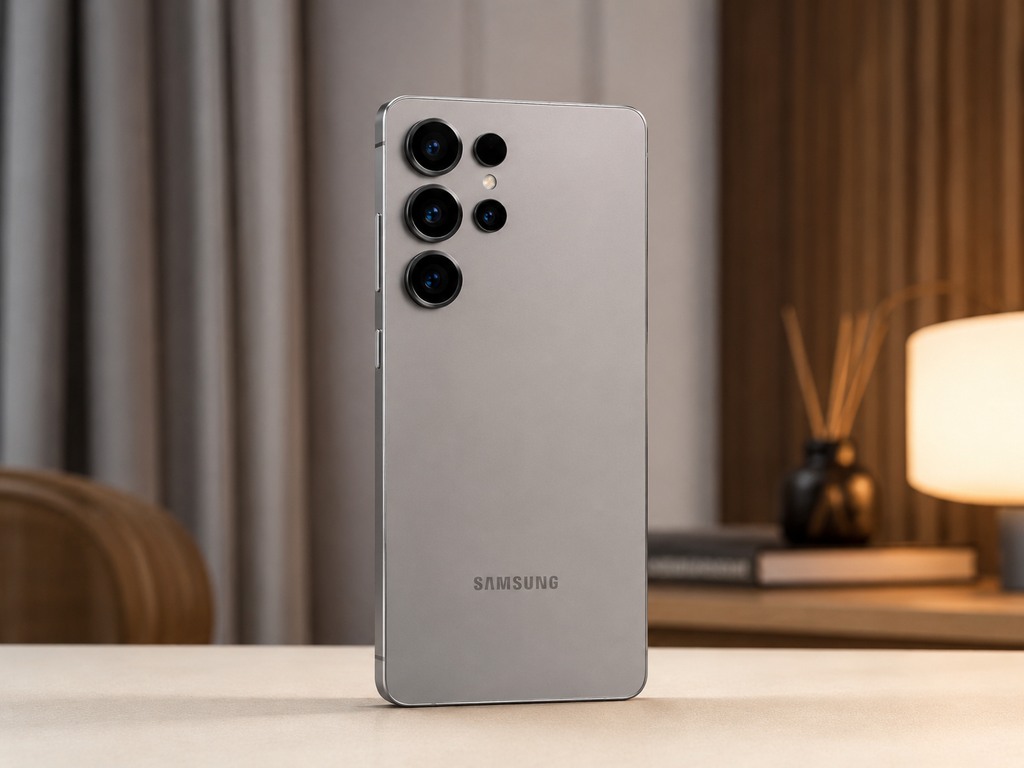
The Galaxy S26 continues Samsung’s refined glass-and-metal flagship formula with a design that’s genuinely compact for a 2026 flagship. At 167g and 7.2mm thick, it’s one of the lighter and slimmer phones in its class. The flat display, tight tolerances, and premium button feel make it a device that earns its price in the hand.
Water resistance is IP68, rated for submersion in up to 1.5 meters of water for 30 minutes — solid protection for everyday life. The front and back glass is Corning Gorilla Glass Victus 2, which handles drops and everyday scratches well in controlled testing.
Repairability is the gap. Like most conventional flagships, the Galaxy S26 uses adhesive-heavy construction that makes self-repair difficult without professional tools. Samsung’s repair network and Care+ program are the intended route for most users.
iPhone 17
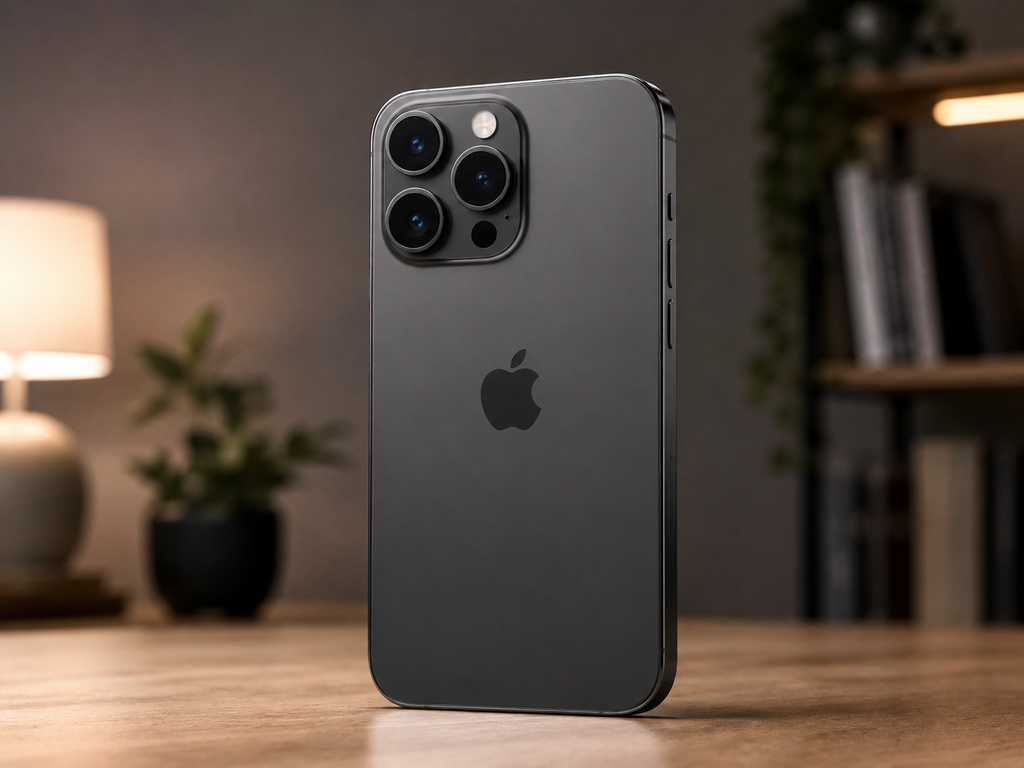
The iPhone 17 arrives with Apple’s polished aluminum-and-glass construction and — in a meaningful upgrade over the iPhone 16 — ProMotion 120Hz finally comes to the standard iPhone model. That makes the iPhone 17 the first non-Pro iPhone to match Samsung’s adaptive refresh rate, and the difference in everyday scrolling fluidity is immediately apparent.
Water resistance is IP68 at 6 meters for 30 minutes — meaningfully better than the Galaxy S26’s 1.5-meter rating on paper, though for most real-world accidents the practical difference is minimal. Apple uses Ceramic Shield 2 on the front — scratch resistance is improved, though independent reviews note the coating can show edge wear over time.
Repairability is a genuine step forward. The iPhone 17 earned an iFixit repairability score of 7/10 — better than most recent iPhones — with a screwed-in battery (a first for Apple) and official Repair Assistant support for calibration after self-repair. It’s not Fairphone-level, but it’s a real improvement.
Verdict: Design & Build
Water resistance goes to iPhone 17 (6m vs. 1.5m IP68). Weight and thinness go to Galaxy S26 (167g, 7.2mm). Repairability goes to iPhone 17 (iFixit 7/10 vs. unverified for S26). On pure premium feel and ergonomics, both phones are excellent — this category is genuinely close.
Display
Samsung Galaxy S26
The Galaxy S26 features a 6.3-inch Dynamic LTPO AMOLED 2X display with a 1–120Hz adaptive refresh rate that drops as low as 1Hz when idle, maximizing battery life during static content. Peak brightness reaches 2,600 nits, which means strong outdoor visibility even in direct sunlight. Samsung’s AMOLED panel calibration is among the best in the Android market — accurate colors, deep blacks, and consistent performance across brightness levels.
iPhone 17
The iPhone 17 brings a 6.3-inch LTPO Super Retina XDR OLED display with ProMotion 120Hz adaptive refresh — the first time this feature has appeared on a standard (non-Pro) iPhone. That’s a significant upgrade from the iPhone 16’s fixed 60Hz, and anyone who uses their phone heavily for scrolling, gaming, or video will feel the difference.
Peak brightness reaches 3,000 nits — higher than the Galaxy S26’s 2,600 nits — though both panels are bright enough for any real-world outdoor scenario. The iPhone 17 also adds an Always-On display (another Pro feature making its debut on the standard model), True Tone, and Wide Color (P3) support.
Verdict: Display
Both displays are excellent and nearly identical in size. The iPhone 17’s 3,000-nit peak brightness and Always-On display are genuine advantages over the S26. The Galaxy S26 counters with Samsung’s mature AMOLED panel tuning and color accuracy. For most users, the practical difference is minimal — both look outstanding. If screen brightness and always-on information matter to you, the iPhone 17 has a slight edge.
Performance
Samsung Galaxy S26
The Galaxy S26 is powered by the Snapdragon 8 Elite Gen 5 for Galaxy in North America — Qualcomm’s top-tier 2026 mobile chip, specifically tuned for Samsung’s hardware and One UI 8.5 software. Paired with 12GB of RAM, this is one of the fastest Android platforms currently available. App launches are instant, multitasking is seamless, and demanding games run at high frame rates without throttling under typical conditions.
Note: Galaxy S26 units in some international markets use the Exynos 2600 chip instead of Snapdragon.
iPhone 17
The iPhone 17 runs on the Apple A19 chip — a 3nm processor with a 6-core CPU (2 performance cores, 4 efficiency cores) and a 5-core GPU. Apple’s chip design consistently leads the industry in performance-per-watt, and the A19 is no exception. The iPhone 17 ships with 8GB of RAM — less than the Galaxy S26’s 12GB on paper, but Apple’s tight hardware-software integration means iOS manages memory more efficiently than most Android implementations.
In real-world daily use, both phones are fast beyond what any app currently demands. The gap shows up in sustained workloads — video editing, 3D rendering, and AI processing — where Apple’s chip architecture has historically maintained an advantage, though the Snapdragon 8 Elite Gen 5 is Samsung’s strongest answer to date.
Verdict: Performance
This is genuinely a tie for the vast majority of users. The Snapdragon 8 Elite Gen 5 is the most powerful Android chip available. The Apple A19 remains competitive on efficiency and single-core performance. Which phone “wins” depends entirely on which benchmark you run and which ecosystem you’re already in. For gaming, content creation, and everyday performance — both are more than enough.
Cameras
Samsung Galaxy S26
The Galaxy S26 features a triple rear camera system:
- 50MP main camera with OIS
- Ultrawide camera (exact specs unconfirmed beyond inclusion)
- Telephoto camera with optical zoom
- Front camera (exact specs unconfirmed)
The inclusion of a dedicated telephoto lens is the single most important camera difference between these two phones. Optical zoom means real glass zooming in — not digital cropping — which delivers meaningfully better quality for portraits, wildlife, sports, distant architecture, and any scene where distance matters. Samsung’s Galaxy AI integration also brings computational photography tools including object removal, AI scene optimization, and enhanced night photography.
Video capabilities extend to 4K recording across multiple frame rates, with Samsung’s Pro Video mode for manual control.
Note: Detailed per-camera specifications beyond the above were not confirmed in available sources at time of writing. Camera quality assessments are based on available specifications and Samsung’s established performance history for this platform.
iPhone 17
The iPhone 17 features a dual rear camera system:
- 48MP main camera (Dual Fusion, f/1.9)
- 48MP ultrawide camera (Dual Fusion)
- No telephoto camera
- 18MP front camera with Center Stage and Dual Capture (shoots in any orientation)
The 48MP Dual Fusion ultrawide is a significant upgrade over the iPhone 16’s 12MP ultrawide — ultrawide photos are now genuinely detailed and share the same sensor-quality approach as the main camera. The 18MP front camera with Dual Capture is among the best selfie systems available, with the ability to simultaneously capture two different perspectives.
The camera’s critical limitation: there is no telephoto lens. Apple offers 2× optical-quality zoom via sensor crop processing from the 48MP main sensor, but it is not a dedicated telephoto — which means optical zoom beyond 2× relies on digital processing, degrading quality. For users who regularly photograph concerts, sports, wildlife, or anything at distance, this is a practical gap.
Video is a highlight: the iPhone 17 records at 4K at 60fps in Dolby Vision — a cinema-grade format that the Galaxy S26 does not match at the base model level.
Verdict: Cameras
Galaxy S26 wins for versatility — the telephoto lens is the decisive factor. If you regularly photograph subjects at distance, the S26’s optical zoom produces meaningfully better results than the iPhone 17’s digital zoom.
iPhone 17 wins for video — 4K60fps Dolby Vision is a genuine advantage for videographers.
For social media and everyday photography in good light: both phones are excellent, and most casual users won’t notice a meaningful difference.
For photographers who shoot portraits, wildlife, sports, or travel: Galaxy S26. For videographers and content creators: iPhone 17.
Battery & Charging
Samsung Galaxy S26
The Galaxy S26 carries a 4,300mAh battery — a larger capacity than the iPhone 17’s — with Samsung claiming up to 30 hours of video playback. Wired charging is 25W, which is Samsung’s acknowledged weak point at the standard S26 tier (the S26+ and Ultra step up significantly). Wireless charging is 15W Qi2.
The 25W wired charging speed is the most notable limitation on the Galaxy S26 — at a $899.99 price point in 2026, competitors charge significantly faster. A full charge from empty takes approximately 90 minutes with 25W.
iPhone 17
The iPhone 17 carries a 3,692mAh battery — smaller on paper than the Galaxy S26 — but Apple claims 30 hours of video playback, matching Samsung’s figure. This is a significant jump from the iPhone 16’s 22-hour video playback rating, made possible by the A19 chip’s improved efficiency and the LTPO display’s adaptive refresh rate.
Charging is where the iPhone 17 genuinely surprises: 40W wired charging (reaching 50% in approximately 20 minutes with a compatible adapter) and 25W MagSafe wireless charging. Both figures beat the Galaxy S26’s 25W wired and 15W wireless speeds.
Verdict: Battery
Capacity advantage: Galaxy S26 (4,300mAh vs. 3,692mAh). Real-world endurance: Tie (both claim 30-hour video playback). Charging speed: iPhone 17 clearly wins — 40W wired vs. 25W and 25W wireless vs. 15W. If you charge your phone wirelessly and care about how quickly it tops up, the iPhone 17 is the better device.
Software & Updates
Samsung Galaxy S26
The Galaxy S26 launches with Android 16 and One UI 8.5 — Samsung’s most refined Android overlay. One UI 8.5 brings a mature feature set including advanced multitasking, Galaxy AI capabilities (circle-to-search, real-time translation, AI photo editing, note summarization), and the new Privacy Display that makes the screen appear blank to side viewers while remaining visible head-on.
Samsung has committed to 7 years of OS updates and security patches from the Galaxy S26’s launch date — meaning the phone will receive official support through approximately 2033. This is one of the longest explicit update commitments from any Android manufacturer.
iPhone 17
The iPhone 17 launches with iOS 19 — Apple’s latest operating system, refined over years of iteration. iOS 19 brings Apple Intelligence — Apple’s AI feature set including enhanced Siri, Writing Tools, image generation, and priority notification management. Apple’s software is characteristically smooth, private by design, and deeply integrated with the hardware.
Apple does not officially state a guaranteed update commitment period. Based on historical practice, iPhones typically receive 5–6 years of iOS updates. The iPhone 16, for reference, is expected to run iOS until at least 2030.
Verdict: Software
Explicit update longevity: Samsung Galaxy S26 — 7 guaranteed years is a documented commitment Apple doesn’t match. Software experience: personal preference — Galaxy AI and One UI 8.5 are feature-dense; iOS 19 is clean, private, and seamless within the Apple ecosystem. If you value ecosystem integration (Mac, iPad, AirPods, Apple Watch), iOS is irreplaceable. If you want the most control over your Android experience and Samsung’s AI tools, One UI 8.5 is the better fit.
Repairability & Sustainability
iPhone 17
The iPhone 17 took a real step forward in repairability. The iFixit 7/10 repairability score — higher than any recent iPhone — reflects Apple’s decision to use a screwed-in battery for the first time, making self-replacement significantly more practical than the adhesive-based systems in previous generations. Apple’s Repair Assistant now supports calibration after self-repair, removing a previous barrier that made independent fixes difficult.
Apple has also made progress on sustainability: iPhone 17 uses recycled aluminum in the chassis and Apple has committed to supply chain carbon neutrality goals. These are meaningful steps, though Apple’s sustainability claims are harder to independently audit than some competitors’.
Samsung Galaxy S26
Samsung offers professional repair through Samsung Care+ and an official Self Repair Program for some models in select regions. The Galaxy S26’s construction — adhesive-heavy, premium glass on both sides — prioritizes the premium aesthetic and IP68 rating over self-serviceability. A verified iFixit repairability score for the standard Galaxy S26 was not available at time of writing.
Samsung has made documented sustainability commitments including recycled materials in packaging and some components, and trade-in programs that reduce landfill waste.
Verdict: Repairability
iPhone 17 wins on verified repairability data — iFixit 7/10 with a self-replaceable battery is a meaningful practical advantage. Neither phone reaches the repairability standards set by Fairphone, but the iPhone 17 represents a genuine improvement in Apple’s historically poor repairability track record.
Features & Connectivity
| Feature | Samsung Galaxy S26 | iPhone 17 |
|---|---|---|
| 5G | ✅ | ✅ (Sub-6GHz) |
| Wi-Fi | Wi-Fi (version unconfirmed) | Wi-Fi 7 |
| Bluetooth | Unconfirmed | Bluetooth 6.0 |
| NFC | ✅ (expected) | ✅ (expected) |
| USB | Unconfirmed | USB-C |
| eSIM | ✅ (expected) | ✅ (expected) |
| Physical SIM | ✅ | ✅ |
| Fingerprint sensor | In-display | Face ID |
| Face unlock | ✅ | Face ID (primary) |
| microSD expansion | ❌ | ❌ |
| Satellite connectivity | Not confirmed | ✅ Emergency SOS via Globalstar |
| Wireless charging | 15W Qi2 | 25W MagSafe / Qi2 |
| Reverse wireless | Not confirmed | Not confirmed |
| AI features | Galaxy AI (One UI 8.5) | Apple Intelligence (iOS 19) |
| Always-On display | ✅ | ✅ (new for standard model) |
| Privacy Display | ✅ | ❌ |
| Action button | ❌ | ✅ |
| Camera Control button | ❌ | ✅ |
The iPhone 17’s Wi-Fi 7 and Bluetooth 6.0 are confirmed advantages where the Galaxy S26’s wireless specs were not independently confirmed at time of writing. Emergency SOS via satellite on the iPhone 17 is a meaningful real-world safety feature. The Galaxy S26’s Privacy Display is a unique feature with genuine practical appeal for business users and commuters.
Samsung Galaxy S26 vs iPhone 17: Key Differences
Here are the differences that should actually drive your decision:
1. The Galaxy S26 has a telephoto camera. The iPhone 17 does not. This is the single most impactful camera difference for everyday photography versatility.
2. The iPhone 17 is $100 cheaper at launch ($799 vs. $899.99 for 256GB). At the same storage tier, that’s a meaningful price gap.
3. The iPhone 17 charges faster — 40W wired and 25W MagSafe wireless vs. the Galaxy S26’s 25W wired and 15W wireless. For daily users, faster charging is a real quality-of-life difference.
4. The iPhone 17 has better IP68 water resistance — rated for 6 meters vs. the Galaxy S26’s 1.5 meters. Both are IP68, but Apple’s depth rating is 4× deeper.
5. Samsung commits to 7 years of updates; Apple doesn’t publish a guarantee. Based on history, Apple supports iPhones for 5–6 years. Samsung’s documented commitment is longer.
6. The iPhone 17 shoots 4K60fps video in Dolby Vision. For video creators, this is a significant format advantage.
7. These are completely different software ecosystems. If you own a Mac, iPad, Apple Watch, or AirPods — iOS integration is irreplaceable. If you’re invested in Google services and Android — there’s no reason to switch.
8. The iPhone 17 earns iFixit 7/10 for repairability — a verified figure that the Galaxy S26 does not yet match in available public testing.
Which One Should You Buy?
Buy the Samsung Galaxy S26 if you:
- Are an Android user and want to stay in the Android ecosystem
- Regularly photograph subjects at distance and need optical telephoto zoom
- Want Samsung’s Galaxy AI features and One UI 8.5
- Value a documented 7-year update commitment in writing
- Use Privacy Display for professional discretion on public transport or in offices
- Prefer an in-display fingerprint sensor over face-only biometrics
- Want a physically lighter phone (167g)
Buy the iPhone 17 if you:
- Already use Apple devices and benefit from ecosystem integration (Mac, iPad, Apple Watch, AirPods)
- Want to pay $100 less for a comparably specced phone
- Create video content and want 4K60fps Dolby Vision recording
- Want faster charging — both wired (40W) and wireless (25W MagSafe)
- Value Emergency SOS via satellite as a real-world safety feature
- Want a phone with a verified iFixit 7/10 repairability score
- Prefer Face ID to fingerprint authentication
- Want Wi-Fi 7 and Bluetooth 6.0 (confirmed specs)
Samsung Galaxy S26 vs iPhone 17: Pros & Cons
Samsung Galaxy S26
Pros:
- Triple camera system with telephoto optical zoom
- Snapdragon 8 Elite Gen 5 — top-tier Android performance
- 7-year OS and security update commitment (documented)
- Galaxy AI features deeply integrated into One UI 8.5
- Privacy Display — unique feature for business users
- Larger 4,300mAh battery
- IP68 water resistance
- Lightweight at 167g and slim at 7.2mm
Cons:
- Costs $100 more than iPhone 17 at launch ($899.99 vs. $799)
- 25W wired charging is slow for a 2026 flagship at this price
- 15W wireless charging lags behind iPhone 17’s 25W MagSafe
- No confirmed satellite connectivity
- Repairability not independently verified by iFixit
- Exynos 2600 variant in some markets (non-US) may perform differently
iPhone 17
Pros:
- $100 cheaper than Galaxy S26 ($799 vs. $899.99)
- 40W wired charging and 25W MagSafe wireless — fastest in this comparison
- 4K60fps Dolby Vision video recording
- IP68 at 6 meters — better depth rating than Galaxy S26
- iFixit 7/10 repairability — best score for a standard iPhone to date
- Apple Intelligence AI features in iOS 19
- Emergency SOS via satellite (Globalstar)
- ProMotion 120Hz and Always-On display — first on standard iPhone
- Wi-Fi 7 and Bluetooth 6.0 (confirmed)
- 3,000-nit peak display brightness
- Seamless Apple ecosystem integration
Cons:
- No telephoto camera — 2× zoom is sensor-crop, not optical
- Smaller battery (3,692mAh vs. 4,300mAh)
- Apple does not publish a formal multi-year update guarantee
- Face ID only — no fingerprint authentication option
- iOS is a closed ecosystem — not ideal for users invested in Android/Google services
- Ceramic Shield 2 may show edge wear over time per early reviews
Full Specifications Comparison
| Specification | Samsung Galaxy S26 | iPhone 17 |
|---|---|---|
| Launch price (US) | $899.99 (256GB) | $799 (256GB) |
| Display | 6.3″ Dynamic LTPO AMOLED 2X | 6.3″ LTPO Super Retina XDR OLED |
| Refresh rate | 1–120Hz adaptive | 1–120Hz (ProMotion) |
| Peak brightness | 2,600 nits | 3,000 nits |
| Glass | Gorilla Glass Victus 2 | Ceramic Shield 2 |
| Processor | Snapdragon 8 Elite Gen 5 (US) | Apple A19 |
| RAM | 12GB | 8GB |
| Storage options | 256GB, 512GB | 256GB, 512GB |
| microSD | ❌ | ❌ |
| Main camera | 50MP, OIS | 48MP Dual Fusion, f/1.9 |
| Ultrawide | ✅ (specs unconfirmed) | 48MP Dual Fusion |
| Telephoto | ✅ (optical, exact zoom unconfirmed) | ❌ (2× digital crop) |
| Front camera | Unconfirmed | 18MP, Center Stage, Dual Capture |
| Video | 4K (frame rates unconfirmed) | 4K60fps Dolby Vision |
| Battery | 4,300mAh | 3,692mAh |
| Wired charging | 25W | 40W (50% in ~20 min) |
| Wireless charging | 15W Qi2 | 25W MagSafe / Qi2 |
| Water resistance | IP68 (1.5m / 30 min) | IP68 (6m / 30 min) |
| OS at launch | Android 16 / One UI 8.5 | iOS 19 |
| Update commitment | 7 years (documented) | ~5–6 years (historical) |
| Wi-Fi | Unconfirmed | Wi-Fi 7 |
| Bluetooth | Unconfirmed | 6.0 |
| Satellite | Not confirmed | Emergency SOS via Globalstar |
| Repairability | Not independently verified | iFixit 7/10 |
| Weight | 167g | Not confirmed |
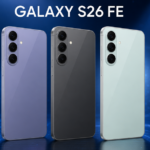
| Colors | Black, Cobalt Violet, Sky Blue, White | Lavender, Sage, Mist Blue, White, Black |
Value for Money
At first glance, the iPhone 17 at $799 vs. the Galaxy S26 at $899.99 makes the math simple — $100 savings for a phone that competes seriously on every major spec. But the value story is more nuanced than the price gap.
The Galaxy S26 justifies its $100 premium in one specific area: the telephoto camera. If you’re someone who photographs concerts, sporting events, wildlife, travel, or portraits at distance — the S26’s optical zoom is genuinely useful in a way the iPhone 17’s 2× crop is not. For those users, $100 for a real telephoto is a reasonable premium.
The iPhone 17 returns value in charging speed, wireless charging, satellite safety features, and video quality — all of which the Galaxy S26 underdelivers on at the same price tier. If you don’t need telephoto, the iPhone 17 offers more for less in several meaningful ways.
The honest assessment: for users who don’t need telephoto zoom, the iPhone 17 is the better value. For users who do — or who are deeply invested in the Android ecosystem — the Galaxy S26’s premium is justified.
Final Verdict
If I had to choose one phone between the Samsung Galaxy S26 and the iPhone 17, I would choose based on one question: which ecosystem are you already in?
If you’re an Android user — the Galaxy S26 is the better choice. The 7-year update commitment, telephoto camera, Galaxy AI integration, and Samsung’s mature One UI 8.5 make it the most complete Android flagship at this price. The 25W charging speed is a genuine weakness, but it’s not a deal-breaker for most users.
If you’re an iPhone user or ecosystem-neutral — the iPhone 17 makes a compelling case that’s harder to dismiss. It costs $100 less, charges faster (both wired and wirelessly), shoots better video, has stronger water resistance ratings, and earned a better repairability score. The camera missing a telephoto lens is a real gap — but for the majority of smartphone photography, the 48MP Dual Fusion main and 48MP ultrawide system is excellent.
The bottom line: the iPhone 17 is the better value phone. The Galaxy S26 is the better camera phone for users who need telephoto versatility. And if you’re genuinely on the fence between iOS and Android, the iPhone 17’s $100 price advantage tips the scale further toward Apple for 2026.
Frequently Asked Questions
Is iPhone 17 better than Samsung Galaxy S26?
It depends on what you value. The iPhone 17 is $100 cheaper, charges faster, and has better water resistance. The Galaxy S26 has a telephoto camera, a 7-year update commitment, and Galaxy AI. Neither phone is objectively better — the right choice depends on your priorities and ecosystem.
Which has the better camera?
The Samsung Galaxy S26 has the more versatile camera system due to its telephoto lens. The iPhone 17 wins on video quality with 4K60fps Dolby Vision and has a strong 48MP dual-camera setup for stills. For photography versatility: S26. For video and selfies: iPhone 17.
Which phone has better battery life?
Battery capacity favors the Galaxy S26 (4,300mAh vs. 3,692mAh). But both phones claim 30 hours of video playback, suggesting real-world endurance is comparable. Charging speed is significantly better on the iPhone 17 — 40W wired vs. 25W.
Which phone will last longer?
On documented commitments, the Galaxy S26 wins — 7 years of guaranteed OS and security updates is a longer stated commitment than Apple’s historical 5–6 year support window. However, Apple’s actual update track record for older devices is strong.
Is the iPhone 17 worth buying?
Yes — especially at $799, it offers flagship-level performance, 4K60fps Dolby Vision video, improved repairability, fast 40W charging, and seamless Apple ecosystem integration. The missing telephoto is the clearest limitation.
Is the Samsung Galaxy S26 worth buying?
Yes — for Android users who want a telephoto camera, Samsung’s Galaxy AI features, and a 7-year update guarantee, the S26 delivers a complete flagship experience. The slow 25W charging and $899.99 price are the main points against it.
Which is better for gaming?
Both phones are more than capable for mobile gaming. The Snapdragon 8 Elite Gen 5 in the Galaxy S26 and Apple A19 in the iPhone 17 are both top-tier chips for 2026. The Galaxy S26 may have a slight edge in sustained performance under heavy load, but for most games neither phone will ever be the bottleneck.
Which is better for video?
iPhone 17 — 4K at 60fps in Dolby Vision is a format advantage that matters for serious creators. The Galaxy S26’s video capabilities at the base model are strong but not confirmed to match Dolby Vision at 4K60.
Which is better for the environment?
Both phones have made sustainability improvements — the iPhone 17 with recycled aluminum and a screwed-in battery (iFixit 7/10), the Galaxy S26 with Samsung’s recycled material commitments. Neither reaches the sustainability standards of dedicated repairability-focused phones, but the iPhone 17’s verified iFixit score represents a more measurable repairability improvement.
Which should I buy?
Buy the Galaxy S26 if you’re an Android user, need telephoto zoom, or value a 7-year update commitment. Buy the iPhone 17 if you’re in the Apple ecosystem, want to save $100, care about faster charging, or shoot a lot of video. For ecosystem-neutral buyers, the iPhone 17’s price advantage is a genuine argument.
Affiliate Disclaimer: We may earn a small commission at no extra cost to you if you purchase through the links in this post. All opinions and conclusions are our own, based on verified specifications and independent technology reviews from published sources.